Jakarta is a city of electric contrasts. Modern glass skyscrapers tower directly beside quiet colonial avenues, and world-class rooftop dining sits just minutes away from lively street food stalls serving century-old family recipes. For travelers arriving in Indonesia, the capital often serves as the primary gateway before venturing onward to Bali, Yogyakarta, or Komodo. Yet, looking past the notorious highway traffic reveals a metropolis rich in maritime history, diverse regional food scenes, and warm hospitality.
Entering a city of over ten million residents can feel overwhelming at first. Having practical local knowledge on logistics, transit, neighborhoods, and etiquette helps turn potential chaos into an effortless, rewarding urban adventure.
When to Visit: Weather and Seasons
Jakarta sits roughly six degrees south of the equator, meaning it maintains a tropical climate year-round with steady temperatures averaging between 28°C and 33°C (82°F to 91°F) paired with notable humidity.
The calendar divides into two distinct periods:
- Dry Season (May to September): The most comfortable period for exploring on foot, visiting outdoor monuments, or venturing across the harbor. Blue skies are more frequent, and afternoon downpours are rare.
- Wet Season (October to April): Showers are common, frequently breaking out in powerful bursts during the late afternoon. While urban travel continues as normal, street flooding can slow down road transfers.
If you are planning around local seasons, understanding the best time to visit Jakarta and how to handle travel during the rainy season will keep your daily plans running smoothly.
How Long Should You Stay in Jakarta?
Many international travelers wonder how many days to spend in Jakarta before heading toward nature reserves or island beaches.
- 24 to 48 Hours: Perfect for an introductory stopover. You can explore the old Dutch colonial quarter, visit Southeast Asia's largest mosque, admire the National Monument, and sample classic street specialties.
- 3 to 4 Days: The sweet spot for a well-rounded city itinerary. This timeframe lets you dive deep into museum collections, explore traditional harbor life at Sunda Kelapa, and even embark on day excursions.
If your schedule is constrained to a quick transfer window, booking a structured half-day private tour of Jakarta highlights guarantees seeing the landmark sights comfortably without worrying about route planning or hailing rides between stops.
Arriving and Getting Around the City
Navigating Jakarta has evolved dramatically with major transit expansions over recent years.
Airport Arrival (Soekarno-Hatta International Airport - CGK)
CGK sits approximately 30 kilometers northwest of central Jakarta. Travelers have three reliable choices to reach downtown:
- Railink Airport Train: Connects CGK Terminal 1 and 2 (via skytrain) directly to BNI City Station in central Jakarta in roughly 45 to 50 minutes, bypassing highway jams entirely.
- Metered Taxis: The Bluebird Group (standard blue cabs) and Silver Bird (premium black sedans) represent the gold standard in honesty and reliability. Official ticket counters and clearly marked lines are located outside every terminal exit.
- Private Airport Transfers: The most seamless option after a long-haul flight, eliminating counter queues and taking you straight to your hotel lobby.
City Transportation Options
- MRT Jakarta (Mass Rapid Transit): Clean, fast, and modern, running along a direct north-south axis from Lebak Bulus in South Jakarta through Senayan, Blok M, and up to the Hotel Indonesia Roundabout (Bundaran HI) in the city center.
- Ride-Hailing Apps (Grab and Gojek): Essential apps to download upon landing. They offer upfront fixed pricing for air-conditioned cars as well as motorbikes for skipping traffic when traveling solo.
- Private Guided Car Hire: For full-day outings spanning multiple districts, reserving a dedicated private car rental with a driver in Jakarta is often the most cost-effective and stress-free way to manage timing in the equatorial heat.
Neighborhood Guide: Where to Base Yourself
Choosing the right base cuts transit time significantly and puts you near the city's best cafes and evening destinations.
- Menteng and Central Jakarta: Tree-lined avenues, heritage villas, Monas, and Istiqlal Mosque. Best for history lovers, business travelers, and first-timers.
- SCBD and Senayan: Sleek skyscrapers, high-end shopping centers, and modern cocktail bars. Best for upscale stays, nightlife, and walkability.
- Kemang and Senopati: Boutique coffee shops, indie art spaces, and artisan bakeries. Best for foodies, cafe hoppers, and relaxed dining.
- Kota Tua (Old Batavia): 17th-century Dutch architecture, cobblestone squares, and canal views. Best for day trips, photography, and cultural tours.
Top Sights You Shouldn't Miss
Jakarta rewards those who appreciate living history alongside contemporary urban life.
1. Merdeka Square, Monas, and Istiqlal Mosque
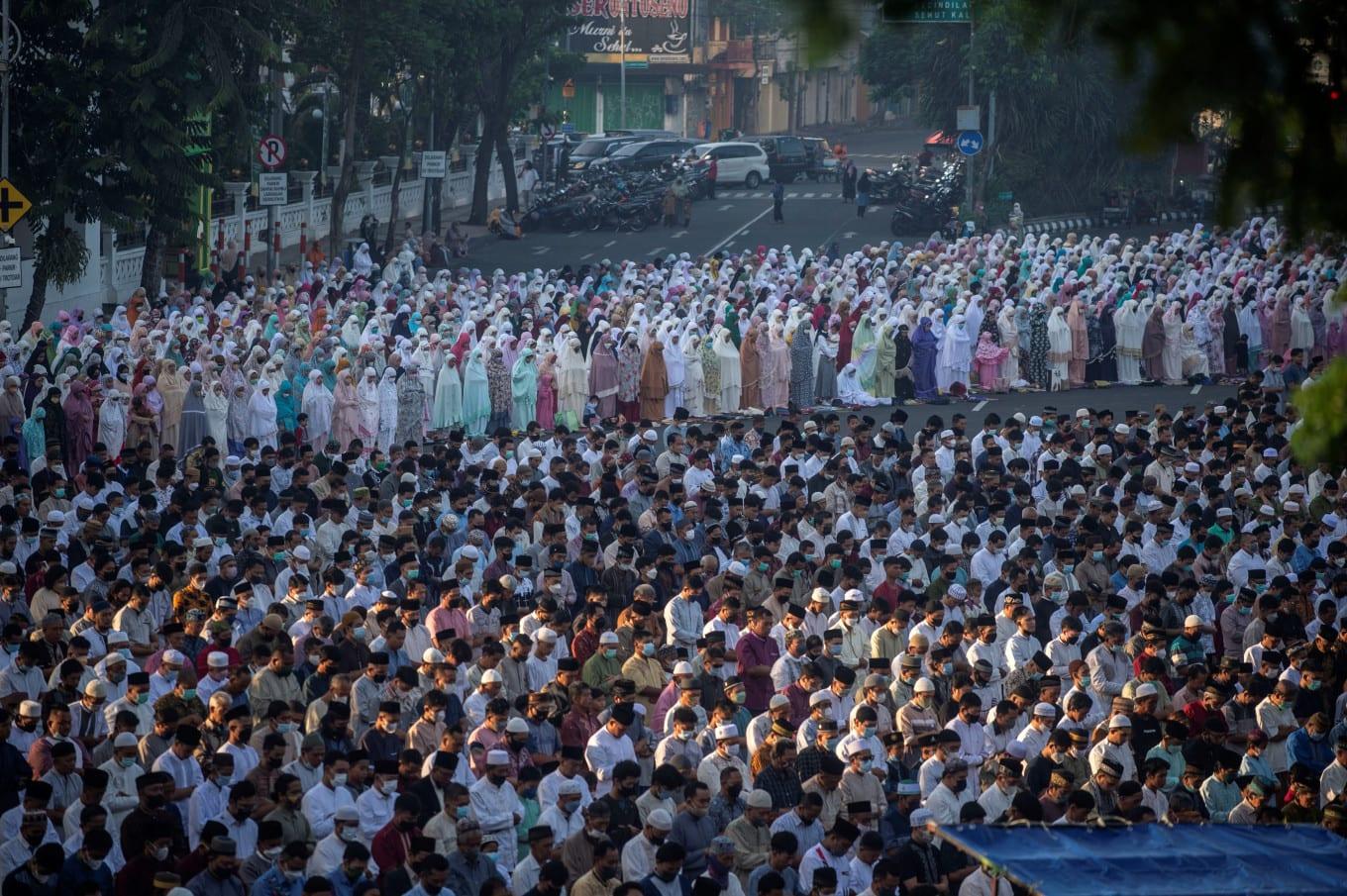
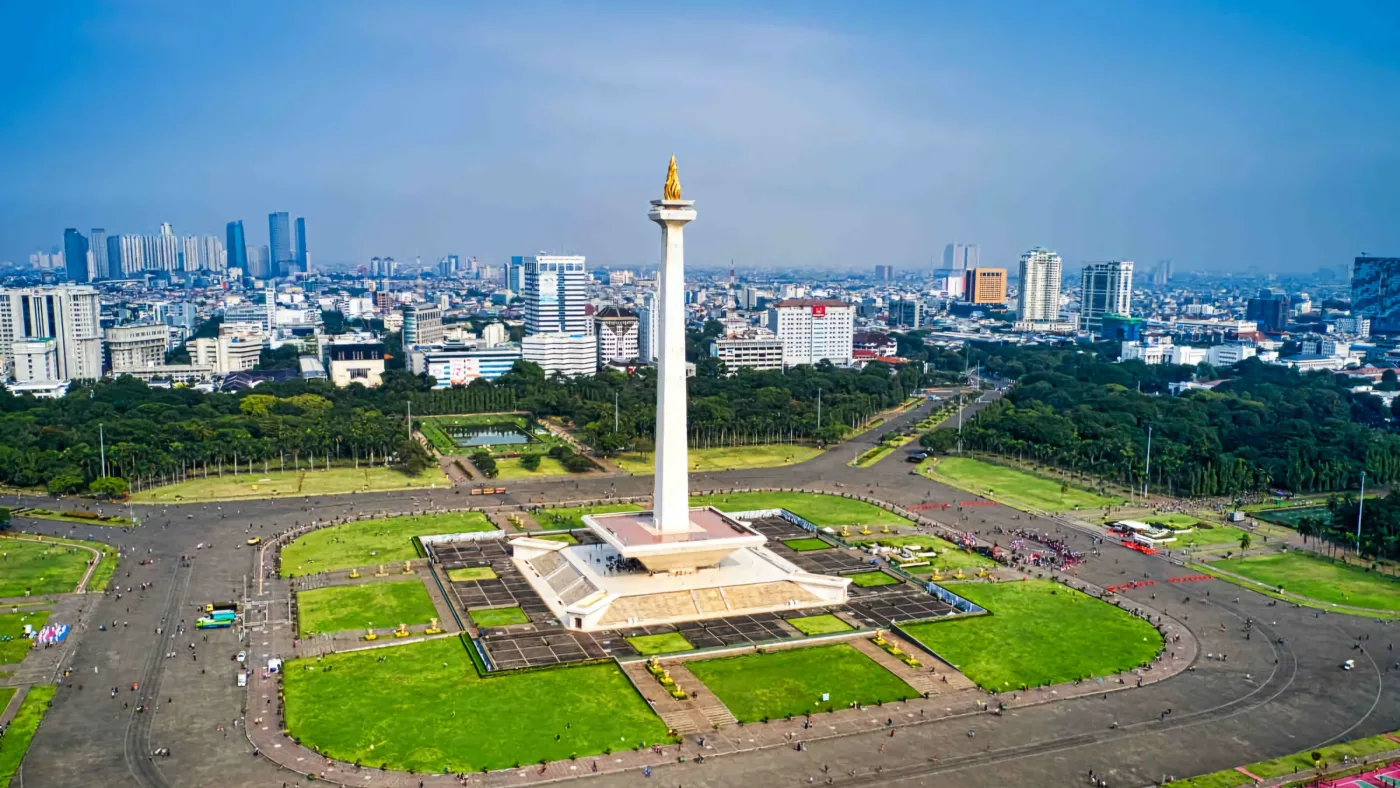
Merdeka Square sits at the geometric heart of the nation. At its center stands the National Monument (Monas), an imposing 132-meter obelisk topped with a gilded flame. Directly northeast sits Istiqlal Mosque, an architectural marvel capable of holding over 200,000 worshippers, standing in deliberate harmony across from the neo-gothic Jakarta Cathedral.
2. Kota Tua and Sunda Kelapa Harbor
Walk the cobblestones of Fatahillah Square to observe Dutch colonial municipal buildings, puppet workshops, and the iconic Cafe Batavia. A short ride further north leads to Sunda Kelapa, where majestic wooden Phinisi schooners still dock to load timber and spices manually, just as merchant fleets have done for centuries. Travelers eager to unpack the architectural timeline can join a focused historical tour of Old Batavia.
3. Glodok (Jakarta's Historic Chinatown)
Winding alleyways filled with incense shops, traditional Chinese tea houses, wet markets, and family-owned medicine dispensaries make Glodok one of the most sensory-rich corners of the capital. It is an unmissable stop for curious street photographers and cultural food lovers alike.
Jakarta Culinary Essentials
Indonesian cuisine is a masterclass in aromatic spice pastes, slow-simmered sauces, and fresh sambals. While every Indonesian region is represented here, several culinary staples are quintessential to the capital:
- Soto Betawi: A comforting Jakarta specialty featuring braised beef in an aromatic broth enriched with coconut milk, aromatic spices, and fried shallots.
- Nasi Uduk: Fragrant rice cooked in coconut milk, lemongrass, and pandan leaves, served with spiced fried chicken, tempeh orek, sliced omelet, and chili sambal.
- Gado-Gado: Lightly blanched vegetables, boiled eggs, tofu, and tempeh tossed in a rich, freshly ground peanut dressing.
- Sate Ayam: Skewered and grilled chicken coated in sweet soy sauce and crushed peanut sauce, charred over open coconut coals.
Street food exploration is safe and rewarding when done thoughtfully. For those seeking an authentic deep dive without language hurdles, jumping on an organized evening food tour through Glodok and Menteng lets you sample over a dozen curated specialties under the guidance of knowledgeable local food lovers.
Safety, Practicalities, and Cultural Etiquette
Jakarta is generally a welcoming and hospitable city for foreign tourists, but standard urban travel practices apply.
- Safety Awareness: Violent crime is uncommon in tourist areas, though basic precautions against pickpockets in crowded markets remain sensible. Reviewing common travel scams in Jakarta and overall city safety guidelines for international visitors will help you navigate transit and street stalls with ease.
- Dress Codes: Jakarta is cosmopolitan, yet modesty is appreciated. When touring government landmarks, historic squares, or sacred spaces such as Istiqlal Mosque, ensure shoulders and knees are covered.
- Hand Etiquette: Always use your right hand when shaking hands, handing over cash, or passing items to someone, as the left hand is traditionally considered impolite for social transactions.
- Drinking Water: Never drink untreated tap water. Opt exclusively for bottled, filtered water, which is readily provided by hotels and convenience stores across the city.
- Power Plugs: Standard European-style two-pin round plugs (Type C and F) running at 220V / 50Hz are standard throughout Indonesia.
Day Trips Beyond the City Limits
If you have extra days on your itinerary, the landscapes surrounding the capital provide a striking contrast to the urban skyline:
- Bogor's Botanical Heritage: Located just an hour south, home to world-renowned tropical research gardens, cascading waterfalls, and hillside rice terraces, easily reached through a private day excursion to Bogor.
- Highland Tea Estates and Volcanoes: The cooler highlands of West Java offer bubbling volcanic craters and rolling mountain slopes, best experienced on a guided day trip to Tangkuban Perahu volcano and Ciater hot springs.
- Bandung via High-Speed Rail: Thanks to Whoosh, Southeast Asia's first high-speed train, travelers can reach the creative mountain city of Bandung in just 45 minutes from Halim Station.
Suggested Next Steps
Building your Jakarta adventure begins with a few clear choices on your travel priorities:
- Determine whether your trip is an introductory layover or an immersive cultural stopover.
- Outline your preferred neighborhoods based on walkability and dining preferences.
- Reserve your major landmark transfers in advance to navigate the urban layout efficiently.