Staying healthy in Jakarta requires basic tropical precautions rather than complex medical preparations. As a rapidly modernizing capital, Jakarta offers high-standard private healthcare facilities, widely accessible pharmacies, and strict commercial food hygiene across its restaurants and shopping malls. Most travel-related illnesses in the city stem from simple dehydration, sudden transitions between extreme outdoor humidity and cold air conditioning, or consuming untreated tap water.
Following straightforward daily habits around water consumption, street food selection, and insect protection will keep you energized throughout your Indonesian itinerary.
Key Advantages
- World-Class Private Hospitals: Central and South Jakarta host internationally accredited hospitals with English-speaking doctors and 24-hour emergency departments.
- Regulated Commercial Ice and Water: Reputable cafes, hotels, and restaurants exclusively use government-certified purified ice and filtered water.
- Accessible Pharmacy Networks: Well-stocked pharmacies (apotek) like Guardian, Watsons, and Kimia Farma are available in every major mall and neighborhood.
- Comfortable Heat Refuges: Air-conditioned transit networks and modern indoor spaces make it easy to cool down and prevent tropical heat exhaustion.
1. Drinking Water and Ice Safety
The golden rule for every traveler in Indonesia is simple: never drink untreated tap water. Municipal water in Jakarta is not potable, even in five-star hotels.
Bottled and Filtered Water
Stick strictly to sealed bottled water for drinking and brushing your teeth. Reliable local brands available at every convenience store (Indomaret or Alfamart) include Aqua, Pristine, Le Minerale, and Ades. Most upscale hotels also provide complimentary glass water bottles refilled from industrial-grade reverse osmosis filtration systems, which are completely safe to drink.
Is Ice Safe in Jakarta?
Yes, in established venues. Commercial ice cubes (es batu kristal) characterized by their uniform cylindrical shape with a hollow center are produced in purified, government-inspected factories. You can safely enjoy iced coffees, fresh fruit juices, and cocktails at malls, hotels, and sit-down cafes. Exercise caution only at remote roadside carts if the ice appears to be chipped manually from a large, uneven block.
2. Street Food Hygiene: Preventing "Jakarta Belly"
Jakarta is one of Southeast Asia's most exciting culinary destinations, and fear of stomach upset should not keep you locked inside hotel dining rooms. You can sample authentic local flavors safely by applying a few smart criteria:
- Eat Where It Is Cooked Fresh and Hot: Choose stalls where dishes like Nasi Goreng (fried rice), Sate Ayam (chicken satay), or Soto Betawi are boiled or grilled over high heat right in front of you. High cooking temperatures eliminate bacteria effectively.
- Look for High Local Turnover: Busy stalls packed with office workers during lunch or dinner hours guarantee that ingredients are fresh and have not been sitting out at room temperature all day.
- Wash Hands and Carry Sanitizer: Keep a small bottle of hand sanitizer or wet wipes in your day bag, especially before eating with your hands at traditional eateries.
- Ease Into Spicy Sambal: Indonesian chili pastes (sambal) pack serious heat. Even if hygienic, sudden heavy spice levels can irritate an unaccustomed stomach. Ask for tidak pedas (not spicy) or request your sambal on the side.
If you want to experience the capital's legendary night food stalls without second-guessing vendor hygiene, joining a curated culinary walk with a local guide ensures every stop is vetted for both quality and cleanliness.

3. Mosquito Protection and Dengue Prevention
Jakarta is not a malaria zone, so antimalarial medication is unnecessary for visiting the capital. However, dengue fever (demam berdarah), transmitted by the daytime-biting Aedes aegypti mosquito, is present year-round and peaks during the wetter months.
- Use Effective Repellent: Apply mosquito repellent containing DEET, Picaridin, or lemon eucalyptus oil to exposed skin, particularly during early morning and late afternoon hours. Local pharmacies and minimarkets sell affordable, pleasant-smelling repellent lotions and sprays under the brands Soffell and Autan.
- Dress Smart for Outdoor Parks: When visiting lush green spaces, botanical gardens, or open-air heritage parks around sunset, wear lightweight, breathable long trousers and linen shirts.
- Keep Hotel Windows Closed: Ensure your hotel room windows remain shut so air conditioning keeps the room cool and mosquito-free.
Mosquito activity rises noticeably after heavy tropical showers. For specific tips on navigating wet weather, check our guide to Jakarta in the rainy season.
4. Heat, Humidity, and Air Quality Management
Equatorial heat combined with urban emissions can quickly drain your stamina if you overexert yourself during midday hours.
Beating Dehydration and Heat Exhaustion
Daytime temperatures hover around 31°C to 34°C (88°F to 93°F) with high humidity. Drink water consistently before you feel thirsty. To replenish electrolytes lost through sweating, pick up chilled coconut water (air kelapa) or isotonic drinks like Pocari Sweat at any corner minimarket.
Air Quality Precautions
During the dry season (June to September), urban traffic and regional weather patterns can lead to elevated PM2.5 air quality readings. Travelers with asthma or respiratory sensitivities should keep an N95 or KN95 mask handy for busy roadside crossings and check daily forecasts. Read our detailed breakdown of Jakarta flood season and air quality to understand how seasonal shifts affect urban air conditions.
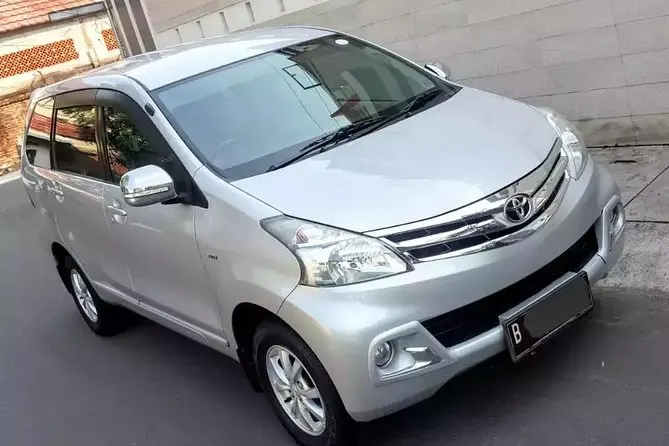
Traveling between distant sightseeing districts inside an air-conditioned private vehicle rather than waiting at hot, dusty intersections is the easiest way to protect your energy levels across a full day of exploring.
5. Pharmacies, Clinics, and International Hospitals
Should you need over-the-counter remedies or medical attention, Jakarta is well equipped to assist international visitors.
Common Pharmacy Remedies (Apotek)
For mild ailments, visit a Guardian, Watsons, or Kimia Farma pharmacy inside any major shopping mall:
- Mild Stomach Upset: Norit (activated charcoal tablets) or New Diatabs are standard local remedies for traveler's diarrhea, alongside Oralit (oral rehydration salts).
- Colds and Headaches: Panadol (paracetamol) is universally available.
- Motion Sickness and Fatigue: Tolak Angin, a popular Indonesian herbal sachet made from ginger, mint, honey, and fennel, is a local favorite for soothing bloating, mild nausea, and travel fatigue.
Reliable International-Standard Hospitals
Always travel with comprehensive medical insurance. For doctor consultations or emergencies, head to one of these reputable private hospital networks where staff speak English and accept international credit cards:
- Siloam Hospitals Semanggi (MRCCC): Centrally located in South/Central Jakarta with 24/7 emergency care.
- RS Pondok Indah (Pondok Indah Hospital): Located in South Jakarta, widely favored by expatriates for its modern facilities and English-speaking specialists.
- SOS Medika Clinic (Cipete & Kuningan): International-standard outpatient clinics specializing in travel medicine, vaccinations, and general family practice for foreigners.
For emergency ambulance services in Jakarta, dial 112 or 119, though calling a private hospital's direct emergency line or taking a metered taxi is often faster in heavy traffic. To review broader emergency contacts and personal security tips, consult our guide on whether Jakarta is safe for tourists.
If you prefer a well-paced sightseeing schedule that balances morning outdoor landmarks with comfortable indoor breaks and hotel transfers, consider booking a structured private tour.
For complete trip preparation covering airport arrivals, neighborhood hotels, and local transit, explore our foundational Jakarta travel guide for first-timers.