Visiting Indonesia's capital between October and April places you right in the middle of the northwest monsoon. While tropical downpours might sound discouraging at first glance, rainfall in Jakarta rarely means days of continuous grey drizzle. Instead, the weather typically follows a predictable diurnal rhythm: warm, bright mornings followed by heavy, fast-moving afternoon storms that clear out in time for evening dining.
Traveling during these months requires a few strategic adjustments. Knowing how rain affects urban traffic, which neighborhoods handle downpours best, and where to head when skies open up ensures your journey across the capital stays seamless and productive.
What to Expect: Rain Patterns and Flood Realities
Precipitation levels across Jakarta begin climbing in late October, peak between December and February, and gradually taper off through April. A typical wet season day features daytime highs of 30°C to 32°C (86°F to 90°F) coupled with elevated humidity levels reaching 80% to 90%.
The Afternoon Downpour Cycle
Most heavy storms gather between 14:00 and 17:30. Towering cumulonimbus clouds roll in rapidly from the Java Sea or the southern highlands, dumping intense volume over a 60- to 90-minute window before tapering off. Planning outdoor walking routes during morning hours from 08:00 to 12:00 almost guarantees dry conditions and clear skies.
Flooding and Urban Drainage
Localized waterlogging (genangan) remains an urban challenge during extreme monsoon peaks. Low-lying areas, particularly in parts of North Jakarta and certain underpasses, can experience water accumulation that slows vehicle movement. However, central business districts, major transit corridors, and elevated expressways remain fully functional. For a deeper breakdown of historical weather cycles and seasonal variations, consult our month-by-month guide to the best time to visit Jakarta.
Getting Around: Transit Tactics for Rainy Days
When rain begins falling in Jakarta, street dynamics shift immediately. Thousands of motorcyclists take shelter under highway overpasses, road speeds drop, and ride-hailing app surge pricing kicks in. Adapting your transit strategy prevents long roadside delays.
1. Rely on the Underground and Elevated MRT
The Jakarta MRT runs on dedicated elevated viaducts and underground tunnels between Lebak Bulus and Bundaran HI. Because it operates completely independent of surface road traffic, it remains 100% on schedule regardless of torrential rains outside. Moving between South Jakarta cafe quarters and Central Jakarta business avenues via the MRT is the most reliable transit method during the monsoon.
2. Avoid Hailing Street Rides During Downpours
Securing a Grab or Gojek car right as a downpour starts can take 20 to 40 minutes due to sudden spikes in local demand. If you are caught out, wait inside an air-conditioned coffee shop or lobby for 30 minutes until the heaviest deluge passes rather than standing roadside.
3. Reserve Full-Day Dedicated Vehicle Logistics
If your daily plans involve visiting multiple landmarks dispersed across different city quarters, booking a dedicated private car rental with a driver in Jakarta is the most stress-free decision you can make. Having a driver waiting at designated mall or museum pickup foyers means you avoid standing in outdoor taxi queues or getting caught in sudden downpours.
Top Indoor Things to Do When It Pours
Jakarta boasts some of Southeast Asia's most impressive indoor facilities, cultural institutions, and shopping architecture, making rain days exceptionally rewarding.
National Museum of Indonesia (Museum Nasional)
Known locally as Museum Gajah due to the bronze elephant statue guarding its forecourt, this institution in Central Jakarta houses one of the world's finest collections of Hindu-Buddhist stone statuary, ancient ceramics, and ethnographic gold relics from across the Indonesian archipelago. Exploring its expansive galleries easily occupies an entire afternoon.
Istiqlal Mosque and Jakarta Cathedral
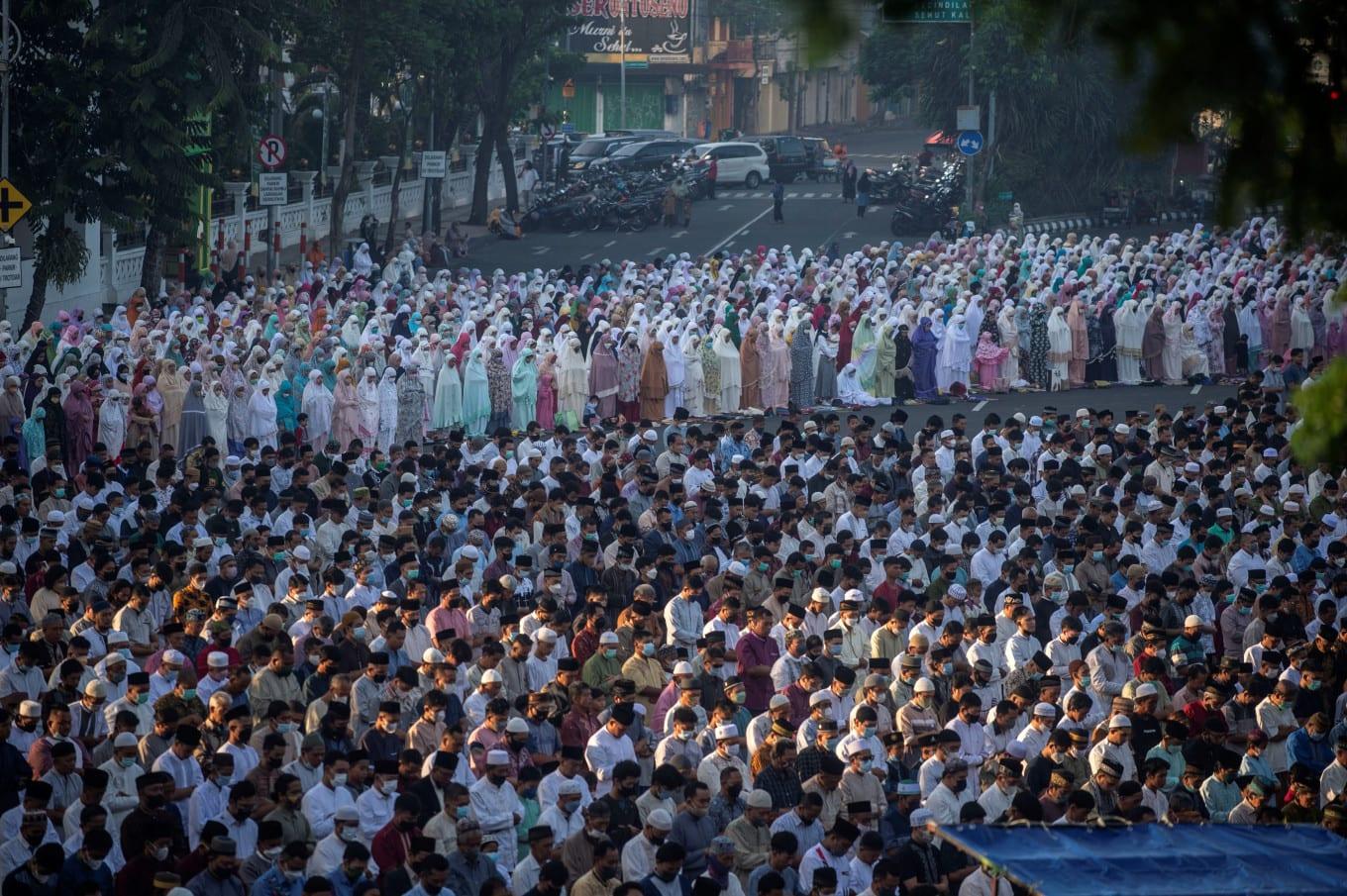
Both landmark religious sites offer expansive, sheltered interiors. Istiqlal Mosque features a colossal domed prayer hall capable of hosting more than 200,000 people, connected by covered marble walkways directly to VIP viewing galleries where international visitors receive guided orientation. Directly across the road, the neo-gothic Jakarta Cathedral provides a serene indoor space showcasing century-old stained glass and heritage woodwork.
World-Class Cafe Culture and Mall Architecture
Jakarta's premier shopping complexes, such as Grand Indonesia and Plaza Indonesia, are far more than retail hubs; they function as self-contained indoor cities. Inside, you will find contemporary art installations, sprawling artisan coffee halls, and multi-floor dining avenues celebrating regional Indonesian delicacies. Spending a rainy afternoon cafe-hopping in Senopati or tasting third-wave Indonesian pour-overs in Menteng offers an intimate look at contemporary urban life.
Packing Essentials and Health Awareness
A smooth wet season stay comes down to simple packing adjustments:
- Footwear Choices: Pack water-resistant, quick-drying shoes with reliable rubber tread. Sidewalk tiles can become remarkably slick when wet. Avoid expensive leather footwear for outdoor walks.
- Compact Rain Gear: Keep a sturdy, wind-resistant travel umbrella and an ultra-light waterproof pouch for your passport and phone inside your day bag at all times.
- Mosquito Protection: Warmer, humid weather combined with standing rainwater increases mosquito activity. Apply DEET or eucalyptus-based repellent when dining at semi-outdoor garden restaurants. For broader medical, water purity, and hygiene advice, read our essential tips on staying healthy in Jakarta.
- Air Quality and Weather Tracking: Use weather forecasting apps like BMKG (Indonesia's Meteorology Agency) alongside monitoring platforms discussed in our review of Jakarta flood season and air quality management.
Exploring Highlights Comfortably
You do not need to pause your sightseeing simply because the calendar indicates rainy season. By aligning your outdoor stops with the morning hours and retreating to sheltered exhibits by early afternoon, you can experience the city's foremost cultural treasures in absolute comfort.
For travelers who want a curated, weather-resilient schedule covering iconic spots with hotel transfers and air-conditioned transit, joining a structured full-day Jakarta highlights tour with transfer guarantees you explore the best of the capital without worrying about wet roads or shifting weather patterns.
To coordinate your entire itinerary, airport connections, and neighborhood accommodations, start with our pillar Jakarta travel guide for first-timers.