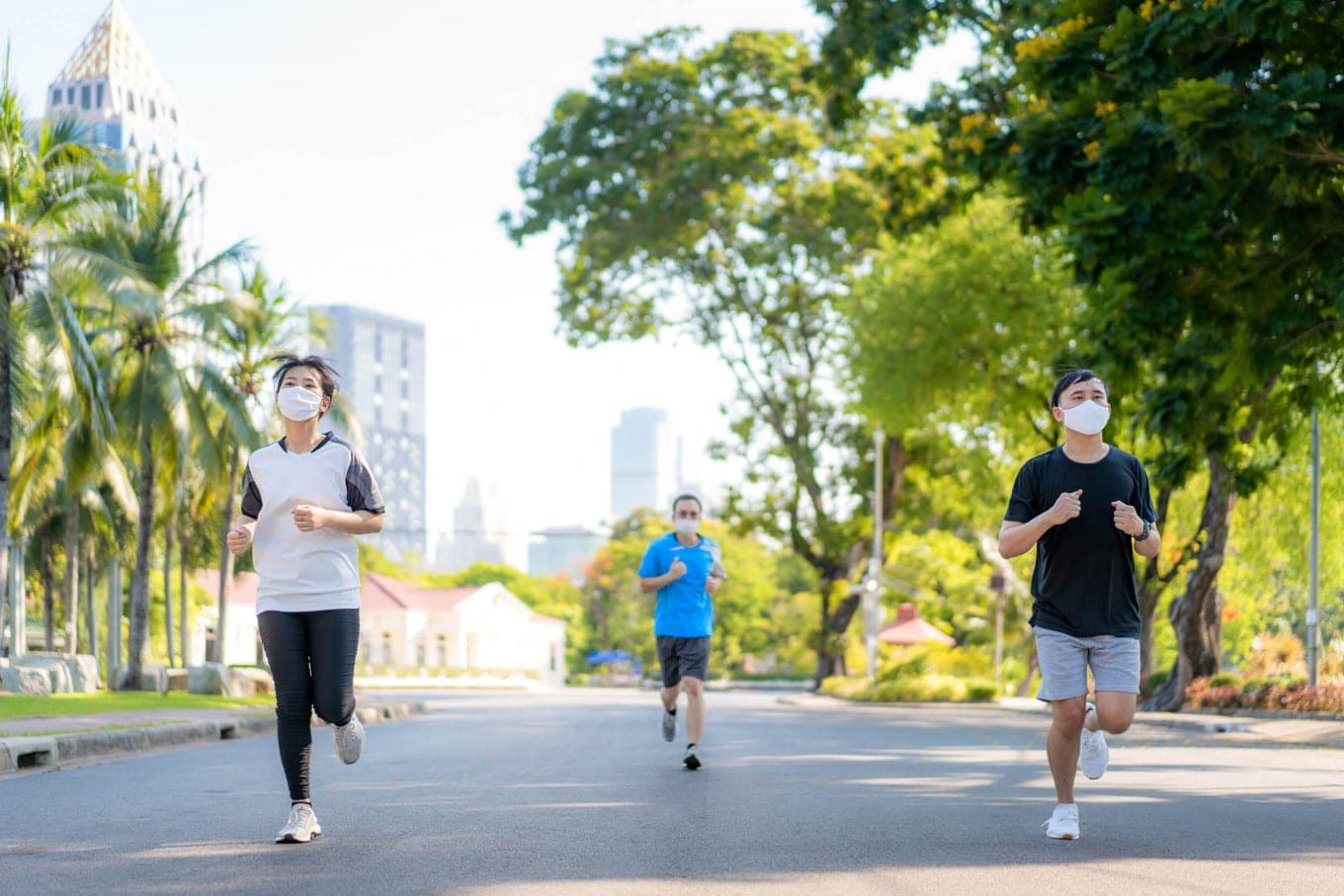
Deciding when to explore Indonesia's sprawling capital can make a noticeable difference in how you experience the city. Located approximately six degrees south of the equator on the northwest coast of Java, Jakarta features a tropical monsoon climate characterized by consistent year-round warmth, pronounced humidity, and distinct wet and dry phases.
While the city operates at full throttle every day of the year, seasonal weather shifts directly impact street walkability, traffic flow, and outdoor sightseeing. Timing your arrival around rainfall patterns and local holiday schedules ensures you navigate the capital with minimal disruption.
The Two Primary Seasons in Jakarta
Unlike temperate destinations with four distinct seasons, Jakarta operates on a binary tropical rhythm:
- The Dry Season (June to September): Widely considered the prime travel window. Rainfall drops to its lowest annual levels, offering predictable blue skies, lower humidity spikes, and prime conditions for street photography, walking tours, and harbor visits.
- The Rainy Season (October to May): Tropical downpours become regular occurrences, peaking between December and February. Rain typically arrives in intense afternoon bursts rather than day-long drizzles, though sudden street waterlogging can worsen urban traffic bottlenecks. For practical advice on packing gear and navigating transit during wet months, check our detailed guide to traveling Jakarta in the rainy season.
Average daily temperatures remain remarkably constant throughout both seasons, fluctuating between 25°C (77°F) at night and 32°C to 34°C (90°F to 93°F) during peak afternoon hours.
Month-by-Month Breakdown
Understanding the specific conditions across each calendar month helps align your daily sightseeing plans with local realities.
January: The Peak Monsoon Month
January brings the heaviest precipitation and highest cloud cover of the year. Urban drainage systems operate at maximum capacity, and localized street flooding can cause significant delays along major thoroughfares. It is a month best suited for exploring indoor heritage sites, visiting world-class shopping gallerias, and touring museum exhibits.
February: Heavy Rains Begin Tapering
Rainfall remains frequent, particularly during mid-afternoon hours, although storms tend to become shorter in duration compared to January. Air quality often improves during this period as regular rains wash away urban particulate matter. The Chinese New Year (Imlek) brings vibrant lantern displays and lively lion dance performances to Glodok Chinatown.
March: Transition Month
Precipitation begins to decline gradually as humidity levels remain high. Mornings are often bright and clear, with afternoon rain showers that clear quickly by sunset. Outdoor morning walking tours are viable if you plan indoor cafe stops or museum visits between 14:00 and 17:00.
April: The Onset of the Dry Transition
April marks the tail end of the formal rainy season. Showers become intermittent, and average daily sunshine hours increase. If you are balancing a tight schedule during this shoulder period, following a structured 1-day Jakarta itinerary guarantees you see landmark sights without getting caught off guard by unexpected passing showers.
May: Warm and Increasingly Clear
May signals the arrival of consistently dry conditions across Java. Rain is limited to occasional brief evening showers. Outdoor monuments and pedestrian areas around Merdeka Square become much easier to navigate, though midday sun exposure requires sunscreen, lightweight breathable fabrics, and plenty of hydration.
June: The Start of the Peak Travel Window
June kicks off the driest and most pleasant four-month stretch of the year. Rainfall is minimal, skies are consistently clear, and winds blowing across the Java Sea provide occasional coastal breezes. The city celebrates its anniversary (HUT Jakarta) on June 22 with street parades, cultural festivals, and the expansive Jakarta Fair at JIExpo Kemayoran.
July: Ideal Sightseeing Weather
Along with June, July is statistically one of the driest months on the calendar. Road surfaces stay dry, public transit stations are easy to enter on foot, and outdoor day excursions to neighboring highland tea plantations or island archipelagos run without weather delays. Because Indonesian school holidays occur in July, family attractions see higher domestic foot traffic.
August: The Driest Month of the Year
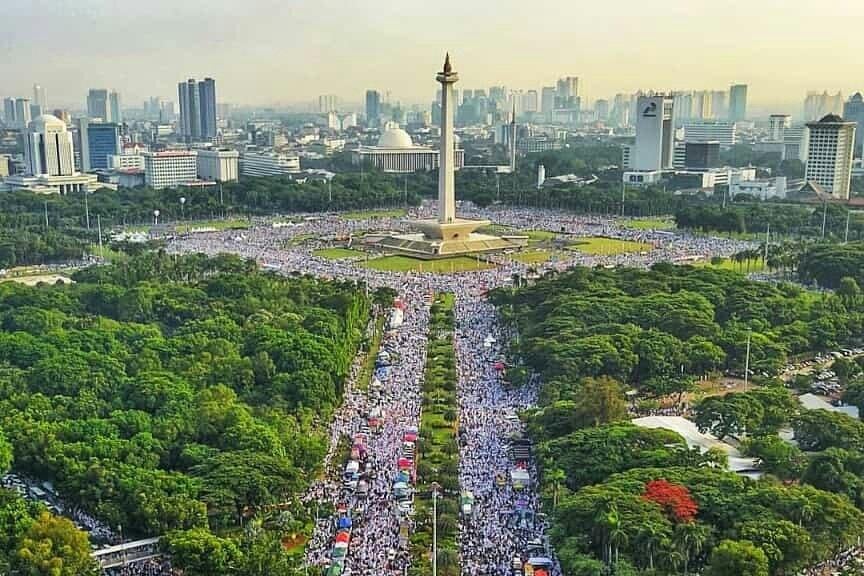
August features minimal rain and uninterrupted sunshine, making it the premier month for walking tours around Kota Tua and architectural photography. Indonesia celebrates its Independence Day on August 17, filling neighborhoods with red-and-white flags, community games, and ceremonial fireworks displays around the National Monument.
September: The Late Dry Season
September extends the dry period with warm, stable days. City parks and open-air rooftop bars thrive during this month. Humidity slowly begins to climb toward the end of September as regional wind directions shift toward the southern monsoon.
October: The Return of Tropical Showers
October functions as the autumn shoulder month. Rainfall picks up gradually, transitioning from occasional light showers to heavy afternoon downpours by late October. Morning activities remain clear and pleasant, allowing comfortable visits to heritage quarters before mid-afternoon storms roll in.
November: The Rainy Season Takes Hold
Precipitation levels rise noticeably, accompanied by afternoon thunderclaps and persistent overcast skies. Travel times across town increase as motorists navigate slick road conditions. Planning routes around the MRT subway corridor helps travelers bypass surface road slowdowns effortlessly.
December: Festive Atmosphere and Year-End Holidays
December combines high rainfall with high festive energy. Malls and public squares feature grand seasonal lighting and holiday entertainment. Late December sees heavy holiday travel as many residents leave the capital for regional vacations, temporarily clearing out downtown traffic grids.
For a broader look at cultural festivities, culinary exhibitions, and annual music gatherings, explore our comprehensive Jakarta events and festivals calendar.
Navigating the Seasons: Practical Tips for Travelers
Making the most of your travel timing involves simple planning strategies:
- Schedule Outdoor Sights for the Morning: Regardless of the month, tropical rain almost always gathers in the late afternoon. Begin your heritage walks around Old Batavia or Istiqlal Mosque by 08:30 to enjoy clear skies and cooler air.
- Book Flexible Chauffeured Transit: When traveling during the wetter months, waiting on street corners for rideshares in pouring rain can disrupt schedules. Booking a dedicated private car rental with a driver in Jakarta gives you a dry, comfortable mobile base that moves door-to-door between attractions.
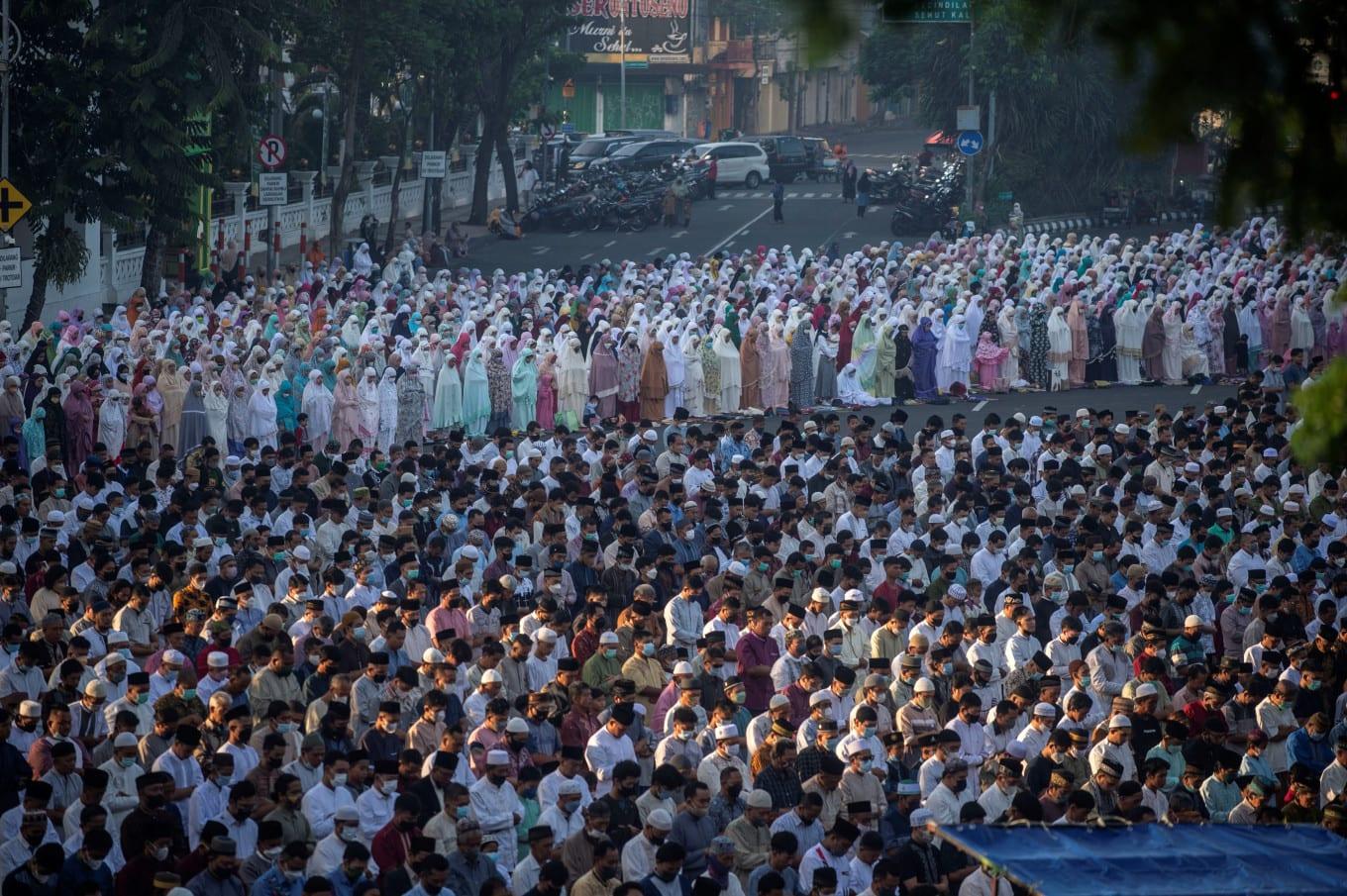
- Take Advantage of Lebaran Quiet Periods: During the major post-Ramadan holiday period (Mudik/Lebaran), millions of residents depart the capital to visit family hometowns across Java and Sumatra. For a brief week, Jakarta transforms into an uncharacteristically peaceful metropolis with empty roadways and clear air.
To align your seasonal plans with neighborhood hotel options, airport rail transit, and general city safety, reference our pillar Jakarta travel guide for first-timers.