Traveling through Indonesia during the Islamic holy month of Ramadan and the subsequent Eid al-Fitr celebration (known locally as Lebaran) reveals a distinct, cultural side of the capital that standard guidebooks rarely capture. Because Indonesia is home to the world's largest Muslim population, the daily rhythms of Jakarta shift dramatically during this sacred period.
For international travelers, visiting Jakarta during Ramadan and Lebaran is both deeply rewarding and logistically unique.
While daytime hours become quieter and certain entertainment venues adjust their operational schedules, the evenings erupt into joyful community culinary markets. Immediately following the fasting month, the metropolis experiences an unprecedented phenomenon: completely clear roads as millions of residents travel to regional hometowns.
Navigating these seasonal dynamics with local insight ensures an enriching, smooth travel experience.
Key Advantages
- Vibrant Sunset Food Bazaars (Pasar Takjil): Neighborhood streets fill every late afternoon with pop-up markets serving traditional Indonesian sweets, iced desserts, and regional savory delicacies.
- Serene Post-Ramadan Traffic (Mudik Period): During the primary week of Lebaran, Jakarta transforms into a blissfully quiet city with virtually zero road congestion.
- Atmospheric Evening Energy: Sunset iftar gatherings fill restaurants, cafes, and public plazas with festive, celebratory family energy.
- Spiritual Monument Sightseeing: Major landmarks like Istiqlal Mosque provide profound cultural experiences, hosting massive yet welcoming communal evening gatherings.
Understanding Ramadan in Jakarta: Daily Routines and Dining
Ramadan follows the lunar Hijri calendar, shifting roughly ten to eleven days earlier each solar year. During this 29- to 30-day period, Muslims fast from dawn (fajr) until dusk (maghrib), refraining from all food, drink, and smoking.
Can Non-Muslim Tourists Eat and Drink During Daylight?
Yes. You are under no religious or legal obligation to fast. International hotel buffets, shopping mall food courts, supermarkets, and formal restaurants remain open throughout the day. However, many dining venues draw light curtains or privacy blinds across their street-facing windows out of social consideration for those fasting.
When out in public spaces, practice basic social discretion. Refrain from walking down busy sidewalks eating snacks or openly smoking.
Drinking water discreetly when the midday tropical heat rises is entirely acceptable, but taking seated meal breaks inside air-conditioned cafes or restaurant dining rooms is the preferred cultural norm. For broader advice on local social customs and body language, review our guide to Jakarta etiquette, dress code, and local culture.
Experiencing Pasar Takjil (The Iftar Street Feasts)
From 16:00 until dusk, the city comes alive with pasar takjil (fast-breaking street bazaars). Local culinary vendors set up tables piled high with sweet snacks designed to replenish energy after a long day of fasting. Do not miss sampling kolak pisang (plantains and sweet potatoes stewed in coconut milk and palm sugar), es pisang ijo (steamed banana wrapped in green pandan dough with shaved ice and sweet syrup), and crispy fried snacks (gorengan).
Popular spots to experience these vibrant markets include Jalan Bendungan Hilir (Benhil) in Central Jakarta and the streets surrounding Sunda Kelapa Mosque in Menteng.
Nightlife, Entertainment, and Sightseeing Operating Hours
Municipal authorities in Jakarta enforce specific operating regulations on recreational venues during Ramadan:
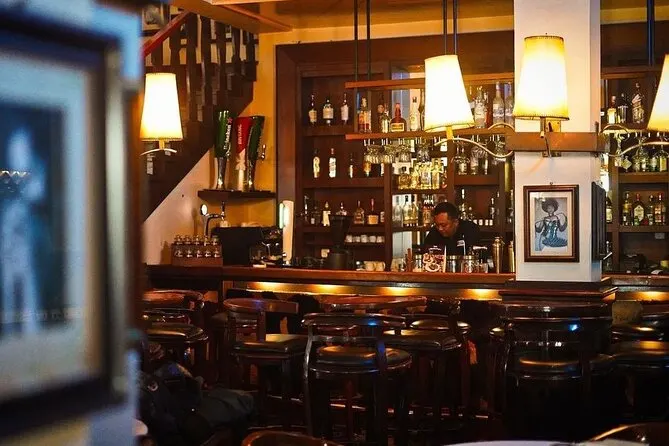
- Bars and Nightlife: Independent nightclubs, standalone bars, and karaoke lounges face strictly restricted hours or temporary operational pauses throughout the holy month. However, hotel-based cocktail lounges and modern lifestyle restaurants across South Jakarta (such as SCBD and Senopati) generally continue serving beverages normally to international guests.
- Landmarks and Museums: Primary cultural institutions, including the National Museum, Monas, and the museums of Kota Tua, operate standard morning and afternoon schedules, though ticket booths occasionally close an hour earlier (around 15:00) to allow staff to commute home in time for the evening fast break.
To cover major historic sites during adjusted operating windows without transport confusion, booking private logistics keeps your schedule flexible.
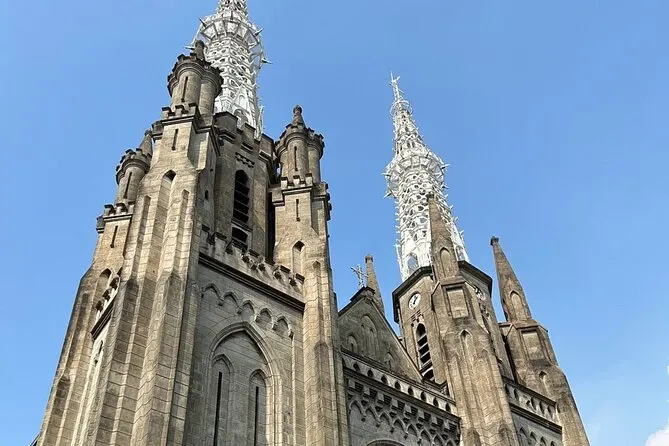
The Lebaran Exodus: The Best Time for Clear Roads
The culmination of Ramadan is marked by Lebaran (Eid al-Fitr), a joyful multi-day national holiday centered on family reunions, forgiveness, and celebratory feasting.
The Mudik Phenomenon
In the days leading up to Lebaran, an estimated six to eight million residents leave the capital to return to their ancestral hometowns across Java, Sumatra, and beyond. This massive annual migration is known as mudik.
For tourists staying inside the city, the mudik period is arguably the most pleasant time of year to explore. The notorious highway congestion (macet) disappears entirely.
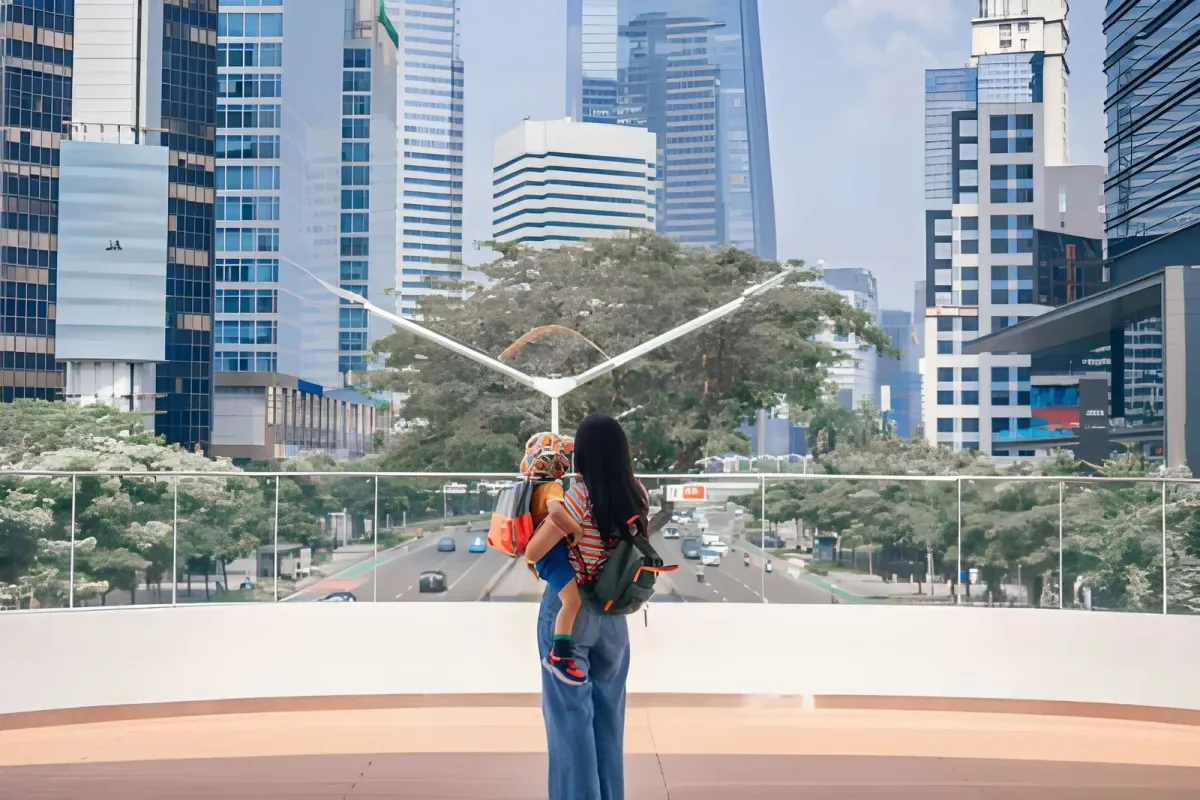
Journeys across town that normally take an hour by car are reduced to twenty minutes along clear expressways. The city air becomes noticeably crisper, making it a dream window for architectural photography around Merdeka Square and leisurely walks through Old Batavia.
What Stays Open During Lebaran Days?
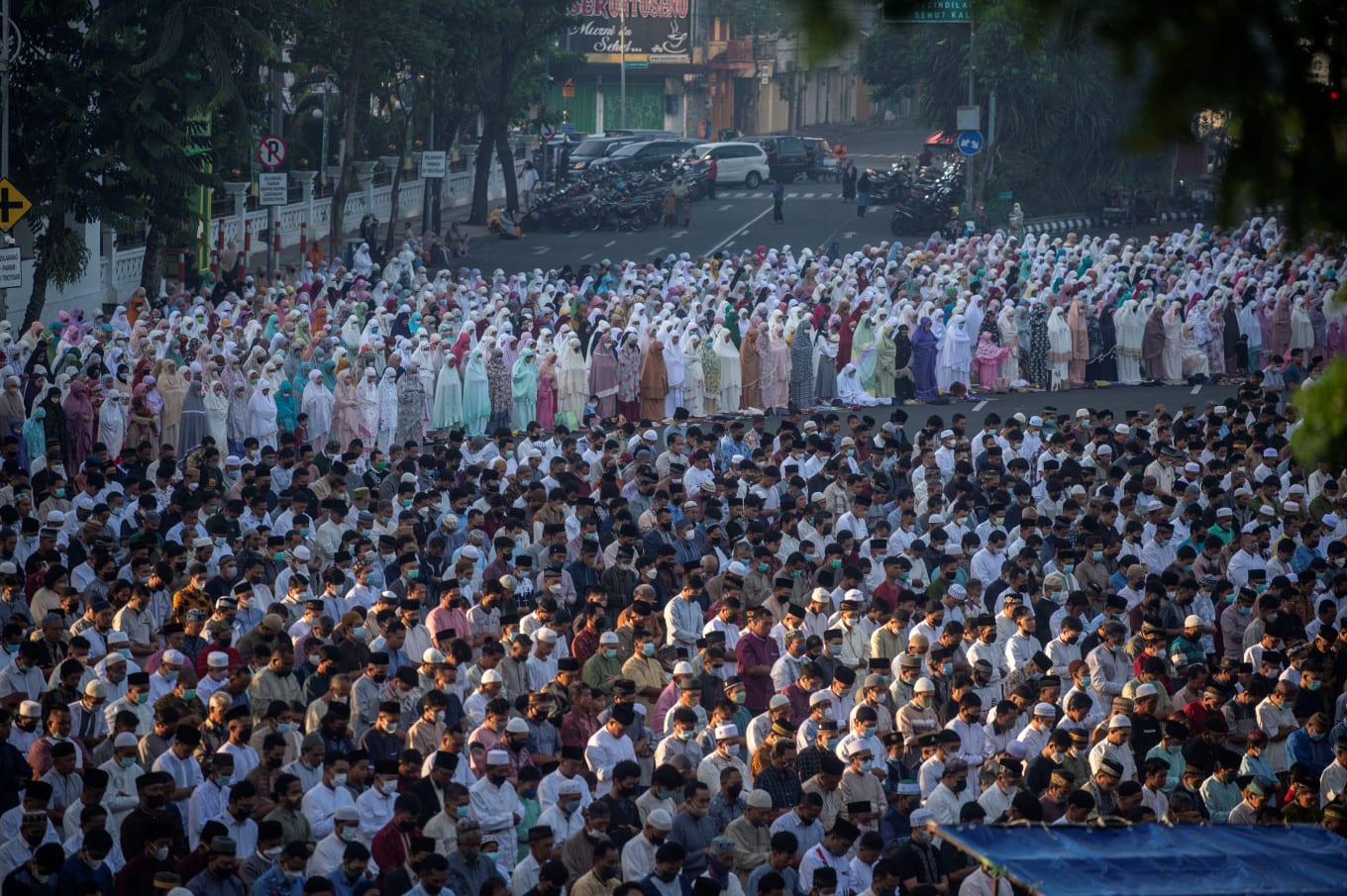
On the first day of Lebaran, quiet morning streets are typical as families perform Eid prayers at dawn and gather privately at home. Smaller neighborhood convenience shops and traditional family food stalls (warung) often close for several days to allow staff to travel.
However, all major shopping malls, central hotel restaurants, and flagship cultural attractions reopen by midday on the first day and remain fully operational throughout the holiday week.
If you plan to dine at prominent sit-down restaurants during the first few days of Lebaran, reserving tables in advance is strongly recommended.

Visiting Istiqlal Mosque During the Holy Month
Istiqlal Mosque stands as the epicentre of religious life in the capital. Visiting during Ramadan provides a memorable window into Indonesian communal solidarity.
Every evening, the mosque leadership distributes thousands of complimentary boxed iftar meals to worshippers and visitors seated peacefully in the grand marble corridors. International visitors are welcome to observe the proceedings from designated gallery walkways, provided they dress modestly with covered shoulders and knees, and remove their shoes at official entry counters. For full details on prayer room access and mosque visitor protocols, read our comprehensive overview of Muslim-friendly Jakarta.
Practical Advice for Traveling During the Holy Season
A smooth holiday trip comes down to thoughtful scheduling:
- Avoid Transit Between 16:30 and 18:00: The hour preceding sunset is the busiest travel window of the day as millions of commuters hurry home or travel to restaurants for iftar. Stay comfortably settled in your hotel or arrive early at your chosen dining venue before 16:30 to avoid intense rush-hour traffic jams.
- Book Evening Dining Ahead: Restaurants in lifestyle centers book out rapidly for buka bersama (communal fast-breaking meals). Make table reservations early in the afternoon if dining out between 18:00 and 20:00.
- Align with Annual Weather Cycles: Ramadan shifts through different months of the solar calendar. Be sure to check whether your travel dates fall into the wet or dry months using our seasonal breakdown of the best time to visit Jakarta.
For detailed neighborhood choices, airport rail transfers, and safety recommendations, explore our foundational Jakarta travel guide for first-timers.