Indonesia is famous for its warm hospitality, and nowhere is this cultural openness more dynamic than in Jakarta. As the nation's political, economic, and cultural crossroads, the capital brings together hundreds of ethnic backgrounds, from the indigenous Betawi people to Javanese, Sundanese, Minangkabau, and Chinese-Indonesian communities.
While Jakartans are remarkably forgiving of foreign visitors unfamiliar with local customs, showing awareness of social etiquette, dress norms, and nonverbal communication demonstrates genuine respect. A few simple adjustments to your everyday habits will help you connect authentically with locals throughout your stay.
Key Advantages of Understanding Jakarta Culture
- Warm, Welcoming Interactions: Locals appreciate polite cultural awareness, turning everyday exchanges at street stalls and transit hubs into genuine, friendly encounters.
- Effortless Religious and Monument Access: Knowing modest attire guidelines in advance ensures smooth entry to sacred spaces like Istiqlal Mosque without awkward delays.
- Smooth Commercial Transactions: Understanding local tipping expectations and cash-handling etiquette prevents confusion when paying taxi drivers, cafe staff, and market vendors.
- Confidence in Diverse Settings: Clear knowledge of dress codes lets you transition comfortably from traditional heritage quarters to upscale rooftop lounges.
1. Nonverbal Etiquette and Body Language
In Indonesian social culture, nonverbal gestures carry significant meaning. Following basic physical courtesies ensures positive interactions across all social contexts.
The Right-Hand Rule
In Indonesian tradition, the left hand is historically reserved for personal hygiene. Always use your right hand when handing over money, passing food across a table, or shaking hands. If your right hand is occupied and you must pass something with your left, a polite apology such as "Maaf, tangan kiri" (Sorry, left hand) is considered very considerate.
Pointing and Touching
Avoid pointing at people or directions with your index finger, as this can be perceived as demanding or confrontational. Instead, use your right thumb with the other four fingers loosely folded into a fist, a customary gesture known locally as menunjuk dengan jempol. Additionally, avoid touching adults or children on the head, which is culturally regarded as the sacred seat of the soul.
Smiling and Greetings
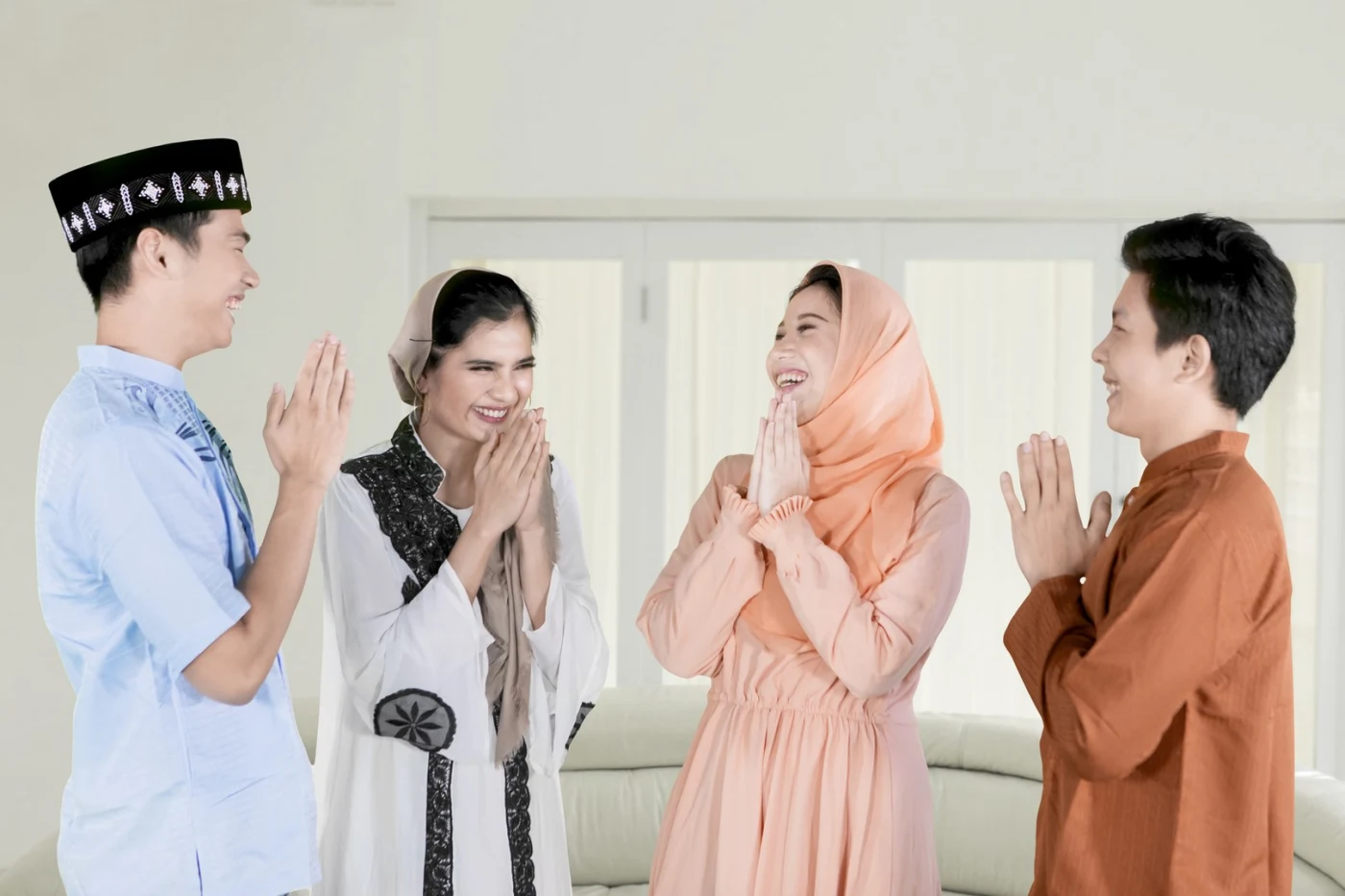
Jakartans smile readily in public spaces. A slight nod of the head paired with a gentle smile acknowledges people passing by and immediately puts locals at ease. When shaking hands, Indonesians often perform a gentle handshake, followed by briefly touching their right hand to their chest near the heart, symbolizing sincere goodwill.
Understanding these subtle cultural signals makes exploring historic monuments and crowded market quarters far more rewarding.
2. Dress Code: What to Wear Where
Jakarta does not enforce legal dress restrictions for international visitors, but what is acceptable depends significantly on your surroundings.
Exploring Modern Malls and Lifestyle Cafes
Jakarta features some of the grandest retail centers in Southeast Asia. In shopping complexes, upscale restaurants, and modern cafe districts across South Jakarta (like Senopati, SCBD, and Senayan), standard international attire is common. Shorts, jeans, t-shirts, and casual dresses are completely appropriate for daily leisure activities.
Religious Buildings and Sacred Monuments
Modesty is required when entering religious buildings. At Istiqlal Mosque, both men and women must cover their shoulders and knees. Women should bring a lightweight scarf to cover their hair, and loose-fitting, non-revealing clothing is strongly advised. Footwear must always be removed before stepping onto mosque carpets or temple sanctums.
For a complete breakdown of halal certifications and prayer room etiquette across the capital, explore our dedicated guide to Muslim-friendly Jakarta.
Government Buildings and Historic Squares
When visiting official administrative grounds, national monument viewing areas, or memorial libraries, neat casual attire is required. Sleeveless tank tops and flip-flops may result in security staff requesting that you cover up before entering.
To visit these varied landmarks comfortably without worrying about wardrobe changes between outdoor heat and formal indoor venues, many travelers opt for chauffeured day touring.
3. Dining Etiquette and Table Manners
Jakarta is a magnificent culinary capital, and dining with locals is often the highlight of any trip.
- Eating with Hands: When dining at traditional Sundanese or Padang restaurants, many locals eat with their right hand. Venues provide a small bowl of fresh water with a slice of lime, called a kobokan, intended solely for washing your fingers before and after the meal, not for drinking.
- Cutlery Norms: When cutlery is provided, the standard setup consists of a fork in the left hand and a large tablespoon in the right hand. Knives are rarely used; the side of your spoon is used to cut tender meats and vegetables.
- Declining Offers Politely: If someone offers you a taste of their food or a drink, it is polite to accept with a smile or decline gently by placing your hand over your heart and saying "Terima kasih" (Thank you).
4. Tipping Customs in Jakarta
Tipping in Indonesia is appreciated but rarely mandatory:
- Upscale Restaurants and Hotels: Bills typically include a 10% government tax (PB1) and a 5% to 10% service charge. An additional tip is not required, though leaving spare cash notes (20,000 to 50,000 IDR) for attentive table service is customary.
- Taxis and Ride-Hailing Apps: Rounding up the meter fare to the nearest 10,000 IDR or leaving a 10,000 to 20,000 IDR tip through the Grab or Gojek app is standard practice for helpful drivers.
- Tour Guides and Drivers: For private full-day tour guides and chauffeured vehicle drivers, a tip of 100,000 to 150,000 IDR per day from a group is a generous gesture for great service.
If you are planning your day-to-day spending and cash requirements, take a look at our practical breakdown of money in Jakarta: ATMs, cards, and tipping.
5. Navigating Holy Seasons and Festivities
Cultural life in Jakarta changes rhythm noticeably during the Islamic holy month of Ramadan. Many bars and nightlife venues operate under adjusted operating hours, while public eating and drinking during daylight hours requires modest discretion out of consideration for fasting locals.
At sunset, the entire city gathers for the joyful communal breaking of the fast (iftar or buka puasa), filling restaurants with celebratory family meals. If your travel dates coincide with the fasting month or the major Eid holidays, consult our detailed resource on visiting Jakarta during Ramadan and Lebaran.
For full-day excursions balancing cultural sites, comfortable dining, and local heritage, structured guided transport makes navigating these social nuances effortless.
For broader arrival logistics, transit choices, and neighborhood accommodations, start with our foundational Jakarta travel guide for first-timers.