Arriving in Jakarta for the first time is an exhilarating, sensory-rich experience. As the sprawling political and cultural engine of Indonesia, the capital moves at a rapid pace, presenting newcomers with a dense landscape of modern skyscrapers, historic colonial quarters, vibrant culinary stalls, and notorious traffic patterns.
While the sheer scale of the city can initially feel daunting, a few practical habits can streamline your arrival, save hours on transit, and keep your daily explorations effortless. These essential tips will help you navigate Indonesia's capital with total confidence.
1. Airport Arrival and SIM Connectivity
Touching down at Soekarno-Hatta International Airport (CGK) sets the tone for your trip. Handling communications and transport immediately past customs ensures a smooth entry into the city.
- Sort Your Connectivity Immediately: Pick up a physical travel SIM or activate an eSIM before exiting the terminal. Telkomsel offers the widest, most reliable cellular network coverage across Jakarta and the rest of Java.
- Download Essential Local Apps: Install Grab and Gojek while still connected to airport Wi-Fi. These two super-apps are indispensable for hailing rides, ordering meals, and tracking fares.
- Know Your Airport Exit Route: To bypass highway traffic jams into Central Jakarta during peak hours, take the Railink airport train directly from the airport terminal station to BNI City Station in roughly 45 minutes. If traveling with luggage or heading straight to a hotel lobby, stick strictly to official Bluebird Group taxi queues outside the terminal.
2. City Transit Strategy: How to Outsmart the Traffic
Jakarta's traffic congestion is legendary, but modern public transit networks have transformed how travelers move across the city core.
- Ride the MRT for Central Corridors: The Jakarta MRT is clean, air-conditioned, fast, and completely immune to surface congestion. It provides a direct link between Central Jakarta (Bundaran HI) and the dining and shopping hubs of South Jakarta (Senayan and Blok M).
- Get an Electronic Money Card: Purchase an e-money transit card (such as Flazz from BCA or e-Money from Mandiri) at any minimarket or MRT counter. A single tapped card pays for the MRT, LRT, Commuter Line trains, and TransJakarta bus network.
- Master the Ride-Hailing Apps: When traveling outside train corridors, use Grab or Gojek rather than hailing random street vehicles. If you prefer traditional metered cabs, choose the iconic light-blue Bluebird taxis, which use calibrated digital meters and professional drivers. For a complete side-by-side transit evaluation, review our breakdown of taxis versus Grab versus private drivers in Jakarta.
- Book Dedicated Transport for Multi-Stop Days: If your plans involve visiting multiple scattered heritage landmarks in a single day, booking a private car rental with a driver in Jakarta is often the most cost-effective and comfortable way to avoid constant hailing in the midday heat.
3. Money Matters: Cash, Cards, and Large Denominations
While Indonesia is advancing rapidly toward digital payments, physical currency remains crucial for everyday travel.
- Carry Small Cash for Street Vendors: Street stalls, fruit carts, and small local cafes do not accept foreign credit cards. Keep a stash of small banknotes (2,000, 5,000, 10,000, and 20,000 IDR) in an accessible pocket for quick purchases.
- Watch the Zeroes: The Indonesian Rupiah (IDR) features large numbers with numerous zeroes, where 100,000 IDR is roughly 6 to 7 USD. Take a second to double-check banknotes before handing them over to avoid confusing blue 50,000 IDR notes with pale cyan 2,000 IDR bills.
- Use Branch-Attached ATMs: When withdrawing local currency, choose ATMs located inside formal bank branches (such as BCA, Mandiri, or BNI) rather than isolated street terminals to minimize the risk of card skimming.
4. Cultural Etiquette and Dress Codes
Indonesian social interactions are rooted in politeness, modesty, and hospitality. Keeping a few cultural norms in mind ensures positive exchanges everywhere you go.
- Use Your Right Hand: In Indonesian culture, the left hand is traditionally associated with bodily hygiene. Always use your right hand when handing over cash, passing food, or shaking hands.
- Dress Modestly for Religious and Heritage Sites: Jakarta is a modern metropolis where casual western clothing is common in shopping malls and cafes. However, when visiting religious sites like Istiqlal Mosque or government squares, dress respectfully by covering your shoulders and knees.
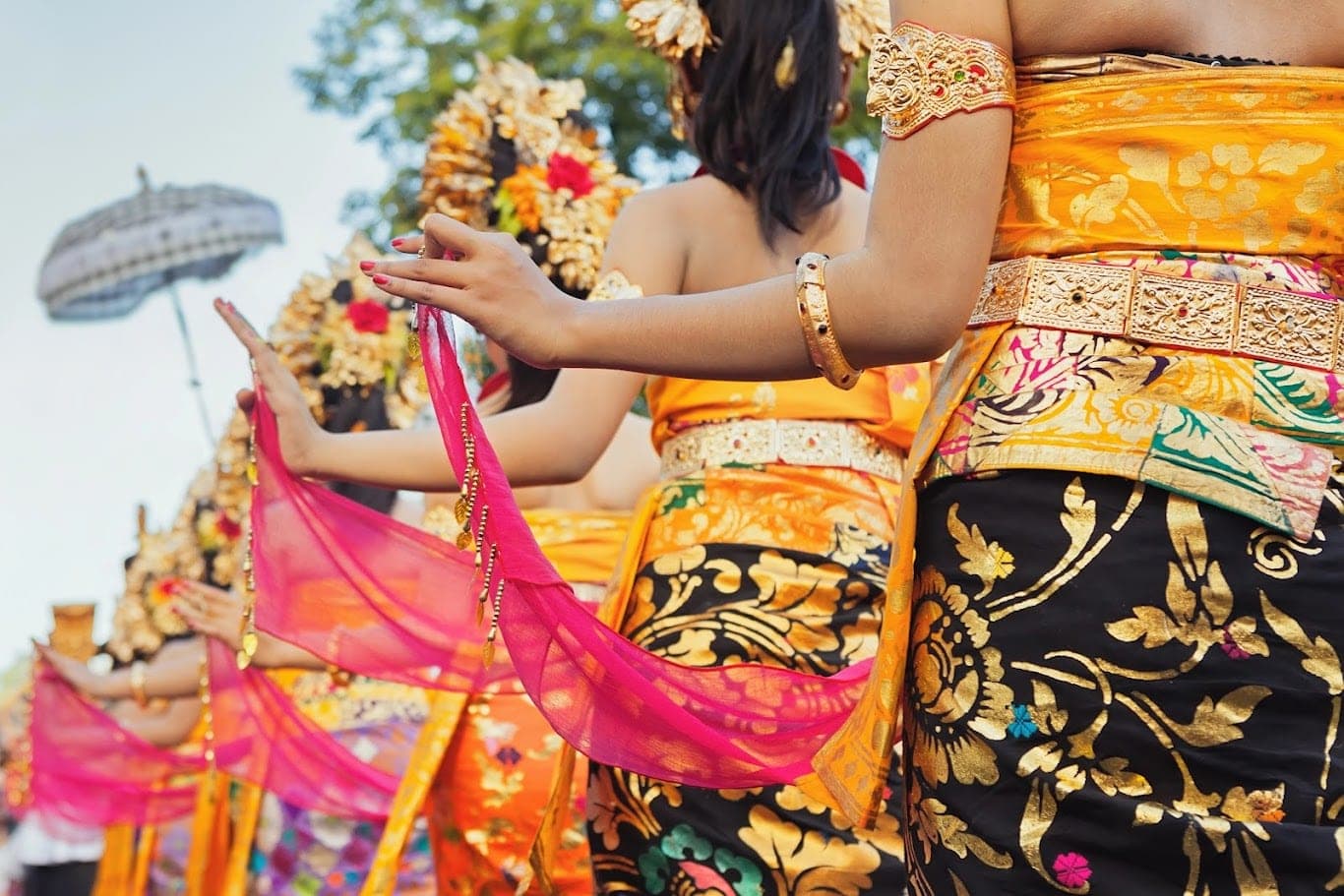
- Smile and Greet Warmly: Jakartans are exceptionally friendly toward international visitors. A simple greeting of "Selamat pagi" (Good morning) or "Terima kasih" (Thank you) goes a long way.
5. Street Food and Water Safety
Jakarta is one of Southeast Asia's greatest food capitals, but safeguarding your stomach requires common-sense precautions.
- Never Drink Tap Water: Tap water is not potable in Indonesia. Drink only bottled mineral water with an intact seal, or drink filtered water provided by hotels.
- Ice in Commercial Restaurants is Safe: Commercial ice cubes served in reputable cafes, restaurants, and food courts are made from purified government-regulated water and are completely safe to consume.
- Follow the Crowds for Street Food: Indonesian street food stalls (kaki lima) serve unforgettable flavors, from smoky chicken satay to comforting Soto Betawi. Choose bustling stalls with high local turnover where dishes are prepared fresh and cooked thoroughly over high heat right in front of you.
6. Safety and Avoiding Tourist Traps
Violent crime directed at tourists in Jakarta is exceedingly rare, but general metropolitan street smarts remain essential. Familiarize yourself with overall city safety guidelines in our guide on whether Jakarta is safe for tourists.
- Watch for Distraction Hustles in Crowded Quarters: In bustling historic areas like Kota Tua, be mindful of unsolicited freelance tour guides who offer historical trivia before demanding inflated guide fees. Read our detailed breakdown of common Jakarta scams and how to avoid them to stay ahead of typical tout tactics.
- Secure Belongings on Busy Footpaths: Avoid holding your smartphone loosely toward the street while waiting at curbsides, as passing motorbikes can occasionally snatch exposed devices.
7. Planning Your Route Efficiently
Jakarta is too vast to tackle aimlessly. Group your daily activities by geographical sector rather than crisscrossing town:
- Morning in Central Jakarta: Explore the National Monument (Monas) and Istiqlal Mosque early in the morning when the temperature is cooler.
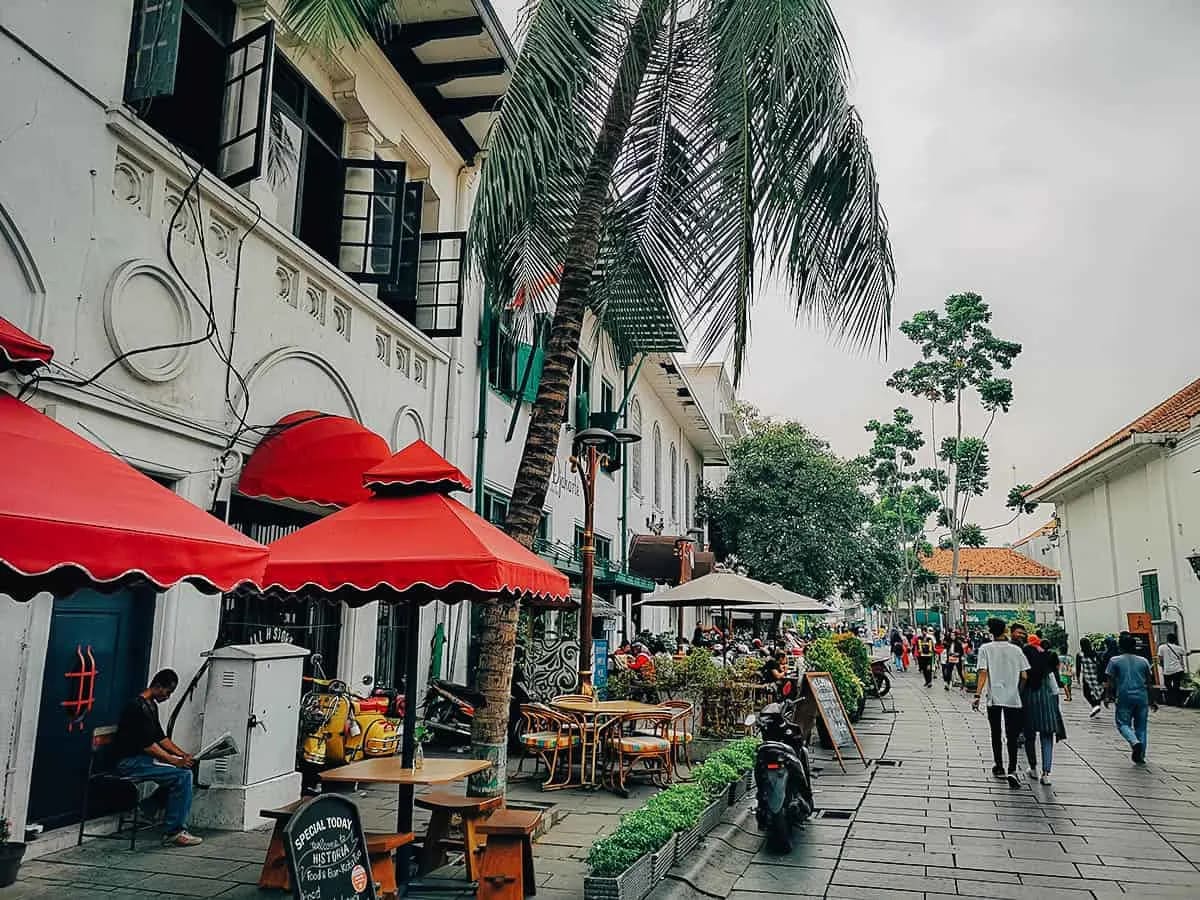
- Afternoon in North Jakarta: Head up to Kota Tua (Old Batavia) and Sunda Kelapa Harbor to explore maritime heritage and historic architecture. For a seamless introduction to these landmarks without navigation friction, consider joining a curated 4-hour private city highlights tour.
- Evening in South Jakarta: Wind down your day around Senopati or Blok M to experience boutique coffee roasters, vibrant eateries, and contemporary lounges.
For comprehensive advice on airport transfers, neighborhood bases, and overall itinerary pacing, refer to our complete Jakarta travel guide for first-timers.